Cost Per Wear: Why Premium Menswear Pays Off
Most men judge a piece of clothing by one number: the price on the tag. It is the figure that makes you hesitate at the till, the one that nudges you towards the cheaper rail and a quiet sense of having been sensible. But it is also the wrong number to be looking at. The figure that actually matters is cost per wear, and once you start thinking in those terms, premium menswear stops looking like an indulgence and starts looking like the sensible choice all along.
What cost per wear actually means
Cost per wear is the simplest piece of maths in your wardrobe, and almost nobody bothers to do it. You take what you paid for something and divide it by the number of times you actually wear it. That figure, not the price tag, is the real cost of the garment.
A jacket that costs 200 euros and gets worn twice a week for a few years works out at a euro or two per wear, often less. A 40 euro jacket that falls apart after a dozen outings costs you more than three euros every single time you put it on. The cheaper item, by the only measure that really counts, turns out to be the expensive one.
It sounds obvious written down. The trouble is that the price tag shouts and the cost per wear stays silent, so we keep making decisions based on the loud number and ignoring the one that matters.
The hidden cost of buying cheap
Cheap clothing is rarely as cheap as it looks, because the real bill tends to arrive later.
Fast fashion is built to a price, which means corners get cut in all the places you cannot see at the till. Thin fabric, weak seams, flimsy zips, fusing that bubbles after a few washes. It looks perfectly fine in the shop and stays fine for a month or two. Then the shape goes, the colour fades, a seam gives way, and the thing that felt like a bargain quietly ends up in a bin bag.
So you replace it. And then you replace it again. Buy three cheap jumpers over two years and you have spent more than one good one would have cost, with worse clothes to show for it and three times the waste. There is a reason the old line about being too poor to afford cheap things has stuck around for so long.
Where premium menswear earns it back
Spend more on something made properly and you are paying for the things that make a garment last and keep earning its place in your wardrobe.
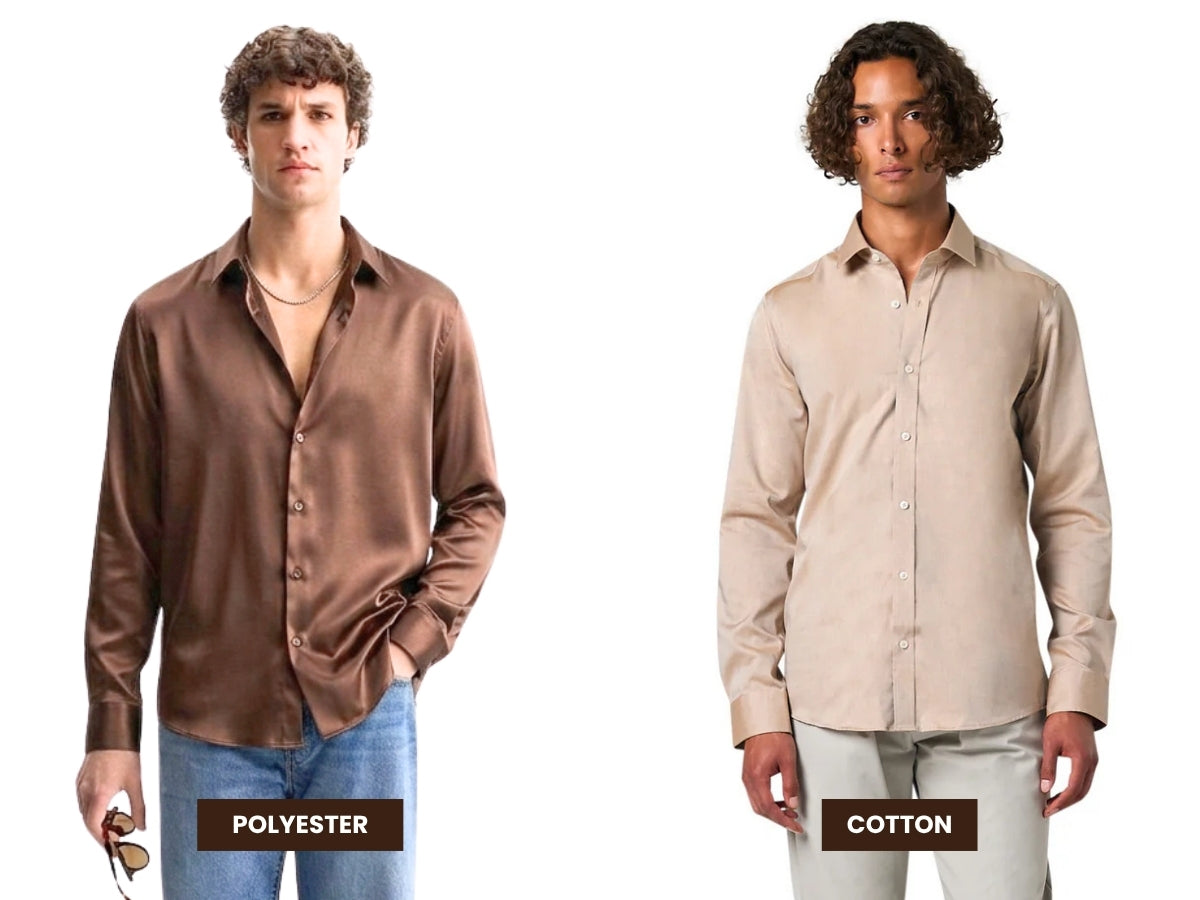
Better fabric is the obvious part. Quality cotton, wool and linen feel better against the skin, wear in rather than out, and survive years of washing without thinning or pilling. Construction is the part you do not see: proper seams, buttons sewn on to stay, linings and finishing that hold up to daily life. And then there is the fit and the cut, the difference between a jacket that hangs well and one that simply covers you.
There is something else premium does quietly, and it sits at the heart of premium menswear value: it stays relevant. A well-made piece in a considered colour does not date the way a loud trend piece does. You reach for it season after season because it still looks right, and every one of those wears pushes the cost per wear lower. It is the principle Pirloni is built on, clothing made to be worn for years rather than for a single season.
Versatility does most of the maths
Here is the part most men miss entirely. The fastest way to lower cost per wear is not only buying better, it is buying pieces that work in more situations.
A garment you can dress up or down, wear to the office or at the weekend, and pair with half of what you already own gets worn far more often than a one-trick piece. More wears for the same price means a lower per-wear cost, every time. That is exactly why versatility is worth paying for, and why it should weigh as heavily as fabric or fit when you buy.
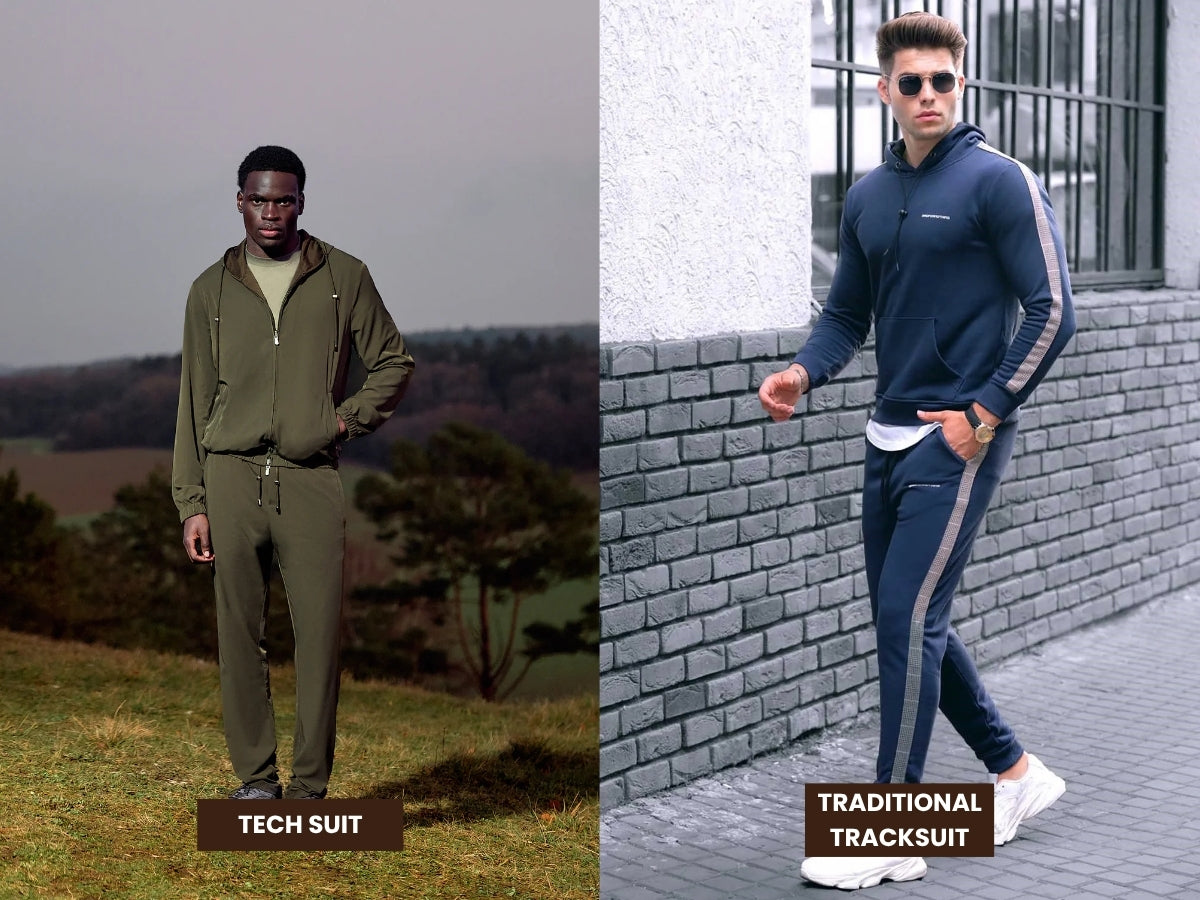
At Pirloni, this thinking runs through everything we make, which is why so many pieces are designed to be styled in more than one way. Our reversible jackets are the clearest example, two distinct looks from a single garment, which quietly halves the cost per wear before you have even worn it twice. The tech collection earns its keep the same way, moving from travel to dinner without skipping a beat.
How to buy for a low cost per wear
You do not need a bigger budget to dress better. You need to buy with that number in mind, and that quietly changes what you reach for.
Start with the things you wear most. The shirts, knitwear and outer layers in heavy weekly rotation are where good quality pays you back fastest, so that is where your money should go first. Choose versatile colours, the navies, greys, beiges and whites that work with everything, over loud one-offs you can only pair with one thing. Favour timeless cuts that will still look right in three years over whatever happens to be having a moment. And buy a little less, a little better, building a wardrobe of essentials you actually wear instead of a drawer full of mistakes.
Our best sellers tend to be exactly these pieces, the versatile, well-made staples men keep coming back to, because they are the ones that genuinely earn their keep.
The honest caveat
Premium is not a magic word, and a high price tag is no guarantee of value on its own.
A 300 euro jacket worn twice is worse value than a 40 euro staple you wear every week. If you buy something expensive purely because it is expensive, in a colour you will tire of or a cut that will date, the maths works against you just as badly as fast fashion does. This is what premium menswear value really comes down to: cost per wear only rewards the premium piece when it is one you will genuinely wear, and wear often. The goal was never to spend more for the sake of it. It is to spend well on things that last and stay in rotation.
Rethinking what value means
So the next time you are choosing between the cheaper option and the better one, do the maths the price tag is quietly hoping you will skip. Divide the cost by the wears you will realistically get out of it, and the picture usually flips.
At Pirloni, this is how we think about every piece we make: not as a one-off purchase but as something built to be worn, restyled and relied on for years. That is the real meaning of premium menswear value. Buy a garment you will wear a hundred times and it pays for itself many times over. Buy three you will wear ten times each and you have simply spent more to end up with less. Premium menswear pays off, then, not because it costs more, but because, counted properly, it ends up costing you far less.