Best Fabrics for Men's Shirts: A Complete Comparison
Choosing the best fabrics for men's shirts matters more than most men realise. Two shirts can share the same cut, the same collar and the same colour, yet feel and behave completely differently once you put them on. The difference is almost always the cloth. This guide breaks down every major shirting fabric, explains where each one performs best, and helps you build a rotation that works across seasons. You can see how these fabrics translate into a finished men's shirt across the Pirloni range.
Why Shirt Fabric Decides Everything Else
Fabric determines how a shirt drapes, how warm it feels, how often it needs pressing, and how long it survives your washing machine. A structured weave holds a collar upright under a jacket. A loose, open weave lets air move on a humid afternoon. Get the fabric wrong and no amount of tailoring will fix it.
There are three things worth understanding before comparing specific cloths. The first is fibre, meaning what the yarn is made from, such as cotton, linen or wool. The second is weave, meaning how those yarns are constructed into cloth. The third is weight, usually expressed in grams per square metre, which tells you how substantial the finished fabric feels.
Two shirts can both be pure cotton and still sit at opposite ends of the formality scale, purely because one is woven as poplin and the other as oxford. That is why a proper shirt fabric comparison looks past the fibre label on the tag.
Poplin: The Smooth, Formal Standard
Poplin is a plain weave with a fine, flat surface and almost no visible texture. It is the fabric most people picture when they think of a dress shirt. The tight construction gives it a slight sheen, a crisp hand, and a clean line under a blazer.
Best for: formal occasions, office wear, anything worn under a suit jacket.
Trade-off: poplin creases readily and shows every fold. It also breathes less than looser weaves, which makes it less comfortable in high summer.
If you own one shirt for interviews, weddings and formal dinners, poplin is the safe answer. Our guide to the difference between oxford and dress shirts covers how poplin behaves in a formal context in more depth.
Oxford Cloth: The Versatile Workhorse
Oxford uses a basketweave construction, where multiple yarns cross together to create a slightly textured, more open surface. The result is heavier and less refined than poplin, and considerably more forgiving.
Best for: smart casual dressing, weekends, office environments without a formal dress code.
Trade-off: the texture reads as informal. An oxford under a formal suit will always look slightly out of place.
Oxford earns its reputation on durability. The heavier construction resists wear, softens with age rather than thinning, and hides creases far better than a smooth weave. For most men, this is the fabric that covers the widest range of situations.
Twill: Structure With a Softer Drape
Twill is recognisable by its diagonal ribbing, created by passing the weft over and under multiple warp threads in a staggered pattern. That structure gives twill more weight and drape than poplin while keeping a smooth, polished finish.
Best for: business wear in cooler months, anyone who wants formality without the stiffness of poplin.
Trade-off: the extra weight makes twill warm. It is the wrong choice for a summer wedding.
Twill also resists wrinkling better than poplin, which makes it a practical option if you travel with your shirts or spend long days seated.
Linen: Built for Heat
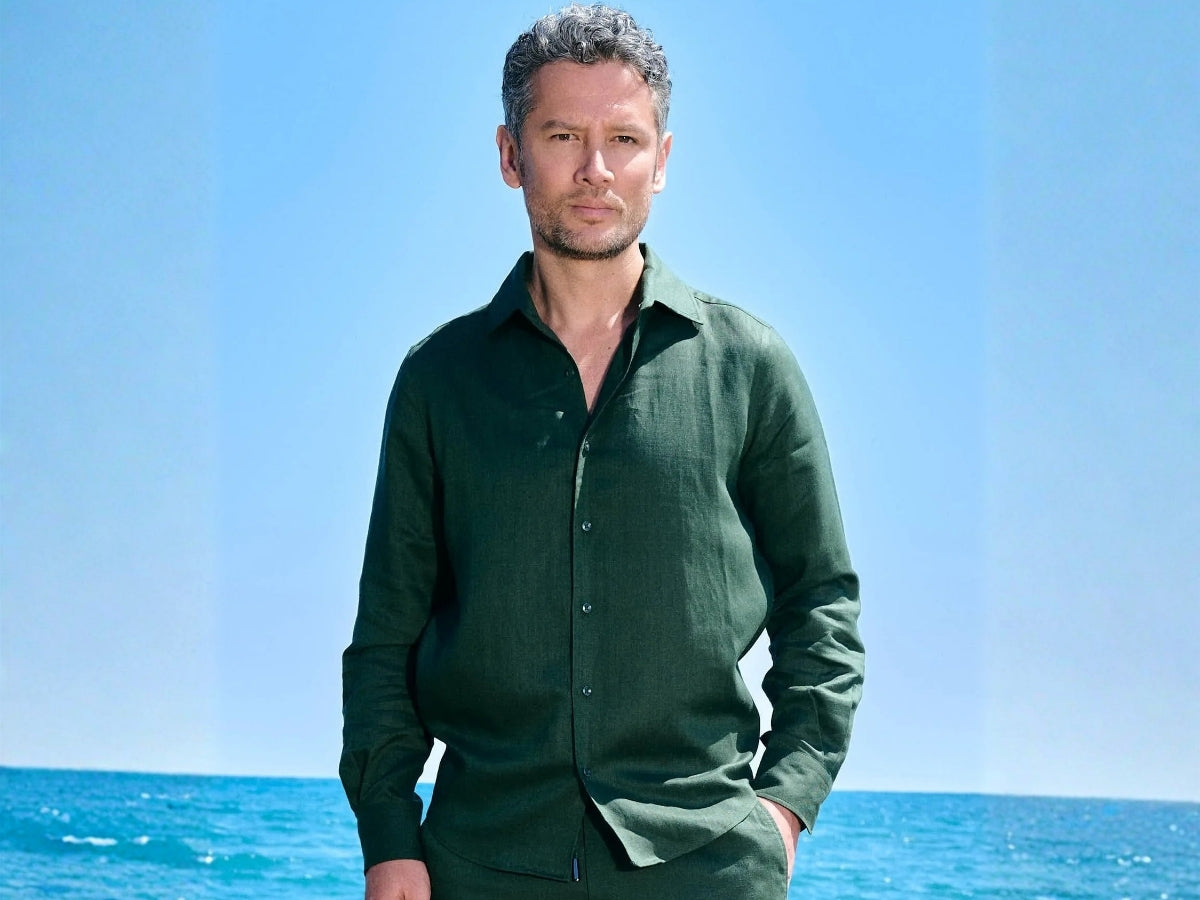
Linen comes from flax rather than cotton, and the fibre is naturally hollow. That structure moves moisture away from the skin and lets air pass through freely, which is why linen remains unbeaten in genuine heat.
Best for: summer, holidays, warm climates, anywhere the temperature sits above comfortable.
Trade-off: linen creases immediately and permanently. This is a feature of the fabric, not a fault, but it means linen never reads as formal.
The mistake men make with linen is fighting the creasing. A linen shirt is supposed to look lived in. Accept that, and it becomes the most comfortable thing you own between June and September.
Mercerized Cotton: Cotton, Improved
Mercerization is a finishing process where cotton is treated under tension in an alkaline solution. The treatment swells the fibres, which increases lustre, improves softness, deepens colour, and strengthens the yarn.
Best for: everyday wear where you want the comfort of cotton with a more refined surface.
Trade-off: the process adds cost, so mercerized pieces sit above standard cotton on price.
The practical benefit shows up over time. Mercerized cotton holds its colour through repeated washing far better than untreated cotton, and it resists the dulling that makes older shirts look tired. At Pirloni, mercerized cotton is used across the shirt and longsleeve range for exactly this reason.
Flannel: Warmth Through Brushing
Flannel is not a weave but a finish. Cotton or wool cloth is brushed to raise the surface fibres, creating a soft nap that traps air and holds warmth against the body.
Best for: autumn and winter, layering under jackets and knitwear.
Trade-off: flannel pills over time where friction occurs, and it is far too warm for anything but cold weather.
Shirt Fabric Comparison at a Glance
| Fabric | Formality | Breathability | Crease Resistance | Best Season |
|---|---|---|---|---|
| Poplin | High | Moderate | Low | All year |
| Oxford | Medium | Good | Good | All year |
| Twill | High | Moderate | Good | Autumn to spring |
| Linen | Low | Excellent | Very low | Summer |
| Mercerized cotton | Medium to high | Good | Moderate | All year |
| Flannel | Low | Low | Good | Winter |
How to Choose the Right Fabric for You
Start with the situations you actually dress for, not the ones you imagine. If your week is mostly meetings, twill and poplin should lead your rotation. If you work somewhere relaxed, oxford and mercerized cotton will cover almost everything you need.
Then consider your climate. Anyone living somewhere with real summer heat should own at least two linen shirts, regardless of how formal their working life is. Anyone in a cold climate should treat flannel as an autumn essential rather than an occasional purchase.
Finally, be honest about ironing. If you will not press a shirt before wearing it, poplin and linen will frustrate you. Oxford and twill hide far more.
Building a Complete Shirt Rotation
A useful starting rotation covers four fabrics. One white poplin for formal occasions. Two oxfords, ideally in white and pale blue, for everything in between. One or two linen shirts for summer. One mercerized cotton piece for the days you want something refined without the formality of a dress shirt.
That set handles roughly ninety per cent of what most men encounter, and it can be expanded in whichever direction your life pulls hardest. If you want to go further into cut and styling rather than cloth, our overview of men's shirt trends for 2026 looks at how these fabrics are being worn now.
Caring for Each Fabric
Fabric choice also determines how you should launder a shirt. Cotton weaves such as poplin, oxford and twill handle a standard cool wash without complaint, though poplin benefits from being removed while slightly damp and hung immediately.
Linen should be washed cool and never wrung out, as twisting sets creases into the fibre permanently. Mercerized cotton keeps its lustre longest when washed inside out at a low temperature. Flannel should be washed sparingly, since every cycle loosens the brushed surface a little further.
Across all of them, the single biggest factor in shirt lifespan is heat. Lower temperatures and air drying will extend the life of any shirt far more than any specific detergent will.
Final Thoughts
There is no single best fabric, only the right fabric for a given season, setting and level of effort. Poplin gives you formality. Oxford gives you range. Twill gives you structure. Linen gives you comfort in heat. Mercerized cotton gives you refinement in daily wear. Flannel gives you warmth.
Once you understand what each cloth does, choosing a shirt becomes considerably simpler. Explore natural fibre shirting from a premium menswear brand built around cloth that improves with wear rather than deteriorating.