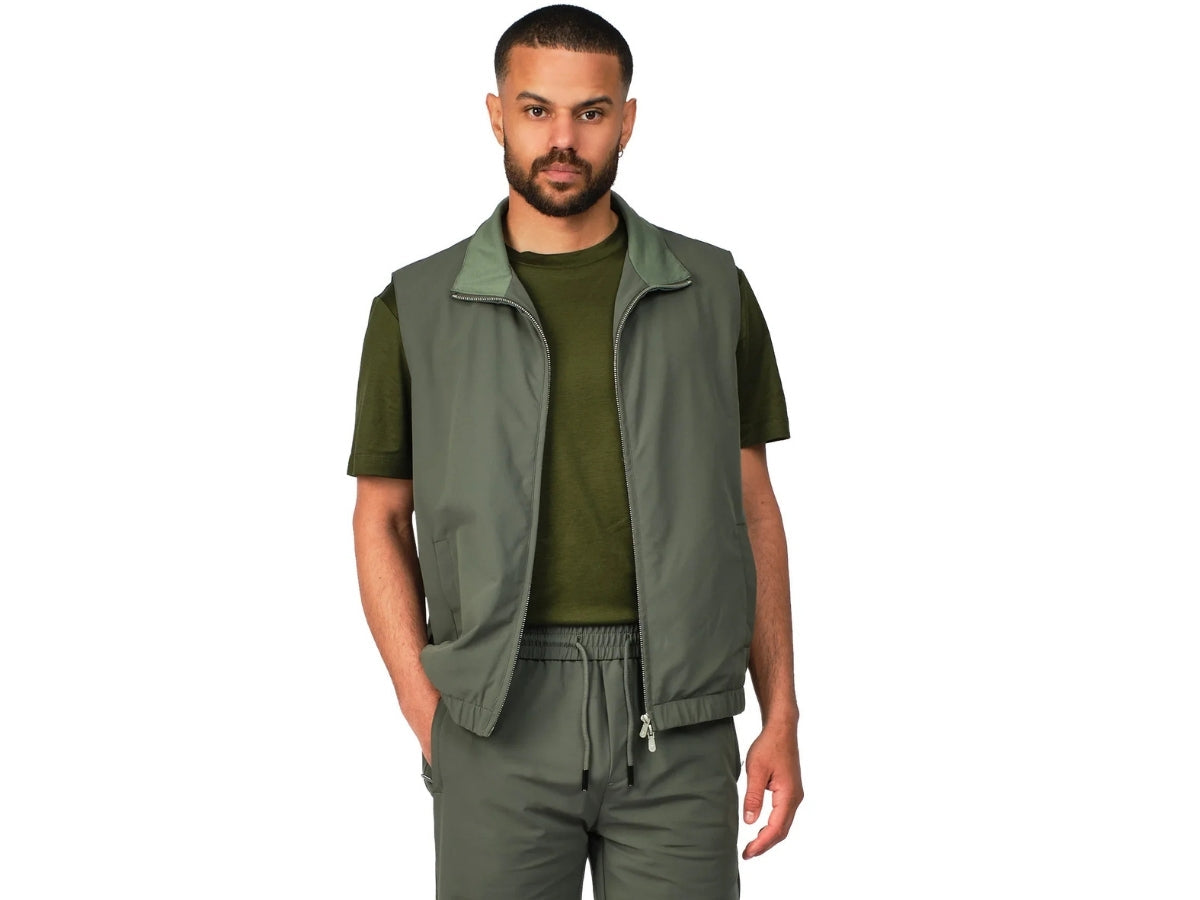
Best Bodywarmers for the Dutch Climate
Anyone who has cycled to work through a November drizzle in Amsterdam or stood waiting on a windy platform in Rotterdam knows one thing. Dutch weather does not play fair. One moment the sun is out, and the next a cold gust off the North Sea cuts straight through your jacket. This is exactly why the bodywarmer has become such a staple in Dutch wardrobes, and why finding the best bodywarmer in the Netherlands has less to do with fashion trends and more to do with smart, practical layering. If you are new to this piece, our complete guide to men's bodywarmers, vests and gilets covers everything from fills to fits. In this article, we focus on one question only: how do you choose a bodywarmer that is actually built for the Dutch climate?
Why Dutch Weather Needs a Different Kind of Bodywarmer
The Netherlands has a maritime climate. On paper that means mild temperatures, but in practice it feels very different. Winter days usually sit somewhere between 2 and 7 degrees, yet the mix of humidity, constant wind and regular rain makes it feel a lot colder than the thermometer suggests. Even summer is unpredictable here. A warm afternoon can turn into a chilly, damp evening before you have finished your drink on the terrace.
A heavy winter coat is often too much for this kind of weather, while a jumper on its own is rarely enough. The bodywarmer fills that gap perfectly. It keeps your core warm, which is where your body loses most of its heat, while leaving your arms free for cycling and everyday movement. In the Netherlands, that freedom of movement is not a luxury. It is a basic requirement.
So a good bodywarmer for Dutch weather needs three things above everything else: wind resistance, water repellency and breathability. Get those right and you have a layer you can wear from September all the way through to April.
What to Look for in the Best Bodywarmer for the Netherlands
1. A wind resistant outer shell
Wind chill is the real enemy here. A tightly woven polyamide or polyester shell blocks gusts far better than open knit fabrics. If you cycle every day, and most Dutch men do, this one feature will make more difference than anything else on this list.
2. A water repellent finish
You do not need a fully waterproof bodywarmer. What you do need is a durable water repellent coating. It shrugs off light rain and drizzle, which make up the majority of wet days in the Netherlands, and it keeps the insulation underneath doing its job.
3. The right insulation
Down gives you the best warmth for its weight, but synthetic insulation keeps you warm even when it gets damp. In a country with more than 130 rainy days a year, that is a serious advantage. For most Dutch conditions, a mid weight synthetic fill or a hybrid construction is the smartest choice.
4. A tailored, layer friendly fit
The best bodywarmer in the Netherlands should sit close to the body without restricting movement. A slim, tailored cut slips neatly under an overcoat in January and looks sharp over a merino jumper or shirt in October. Boxy, oversized cuts trap cold air and add bulk, so it is better to avoid them.
5. Practical details
Look for a high collar that protects your neck from the wind, zipped pockets that keep your keys and phone secure on the bike, and a slightly longer back hem that covers your lower back when you lean forward while cycling. Small details, but you will notice them every single day.
Bodywarmer, Vest or Gilet: Which One Do You Actually Need?
These three terms get used interchangeably all the time, but there are real differences in construction, formality and purpose. A padded bodywarmer is the workhorse for Dutch winters. A lightweight gilet suits those in between days in spring and autumn. A tailored vest leans more formal. We break down the differences properly in our comparison of bodywarmer vs vest vs gilet, so you can work out which one fits your wardrobe and your routine.
For the typical Dutch climate though, the insulated bodywarmer wins on versatility. It handles the widest temperature range, works with both casual and smart casual outfits, and performs just as well on the bike as it does at the office.
How to Wear a Bodywarmer for Dutch Weather
Layering is where the bodywarmer really earns its place in a Dutch wardrobe.
Autumn (10 to 15 degrees): Wear your bodywarmer over a long sleeve polo or a light knit. This combination handles crisp mornings and mild afternoons without ever feeling too warm.
Winter (0 to 8 degrees): Use the bodywarmer as a mid layer under a wool overcoat. Your core stays insulated while the coat blocks the rain and wind. This is the classic Dutch commuter formula.
Spring evenings (8 to 14 degrees): Throw it over a shirt or a lightweight sweater for terrace evenings that start warm and end cold. It packs down small enough to carry in a bag until you need it.
The beauty of a well made bodywarmer is that one piece covers all three situations. Instead of owning several jackets for several seasons, you own one intelligent layer that adapts to whatever the Dutch sky decides to do.
Why Pirloni Makes the Best Bodywarmers in the Netherlands
At Pirloni, we design menswear for the reality of Dutch life. The bike commutes, the sudden showers, the wind that never quite stops. Our bodywarmers are built with wind resistant shells, water repellent finishes and insulation chosen specifically for this maritime climate, all cut in a tailored European fit that layers effortlessly.
Every detail has been thought through. High collars for windy walks along the canal, secure pockets for your keys and phone, and refined finishes that look just as good in the office as they do on the weekend. That balance of technical performance and understated style is what has made Pirloni a name in the best menswear in the Netherlands, and our bodywarmer collection is the clearest expression of it. Put simply, if you want the best bodywarmer the Netherlands has to offer, one genuinely designed for Dutch weather rather than adapted to it, your search ends at Pirloni.
Caring for Your Bodywarmer
A little care goes a long way. Wash your bodywarmer sparingly on a gentle, cold cycle. Refresh the water repellent coating once or twice a year with a low heat tumble dry or a specialist spray. Store it on a hanger rather than squashed in a drawer, so the insulation keeps its loft. Treat a quality bodywarmer well and it will comfortably see you through five to ten Dutch winters.
Final Thoughts
The Dutch climate rewards smart dressing, not heavy dressing. A well chosen bodywarmer that is wind resistant, water repellent, properly insulated and tailored to layer is the single most versatile piece a man in the Netherlands can own. It carries you from early autumn to late spring, from the saddle of your bike to your desk, without ever asking you to compromise on style.
Ready to upgrade your layering game? Explore the Pirloni bodywarmer collection and see for yourself why we believe it is the best bodywarmer for Dutch weather. Designed here, for here.