How to Transition Your Wardrobe From Summer to Winter
The autumn wardrobe essentials men actually need are fewer than most think: a handful of layering pieces, two or three dependable outer layers, and a plan for what to do with everything else. The shift from summer to winter rarely happens in a single week. Mornings turn cold while afternoons stay mild, which means your wardrobe has to work in stages rather than all at once. This guide walks you through the full transition, from deciding what to store to choosing the men's jackets and knits that carry you from September right through to the first real frost.
Planning Your Summer to Winter Wardrobe Switch
A summer to winter wardrobe switch is the process of auditing what you own, storing what no longer suits the season, and bringing forward the pieces that work in both. Done properly, it takes an afternoon and saves you weeks of standing in front of a wardrobe that still looks like July.
Start by splitting everything into three piles. The first is pure summer: linen shirts, shorts, swimwear and anything you will not touch until spring. The second is pure winter: heavy knits, insulated jackets and wool trousers. The third pile matters most. These are the transitional pieces, the t-shirts, overshirts, chinos and light jackets that bridge the two seasons and earn their place in your wardrobe for eight or nine months of the year.
Once the piles are sorted, the summer pile gets cleaned and stored, the winter pile moves to the front, and the transitional pile stays within easy reach. The whole system rests on that middle group, which is why the next section focuses on it.
Autumn Wardrobe Essentials Men Actually Need
The essentials for autumn are the pieces that handle a 12-degree morning and an 18-degree afternoon without a full outfit change. Five categories cover almost every situation between now and December.
An overshirt or light jacket. This is the workhorse of the season. Worn open over a t-shirt in early October, buttoned over a fine knit by November, it adjusts to the day rather than forcing you to commit at the front door.
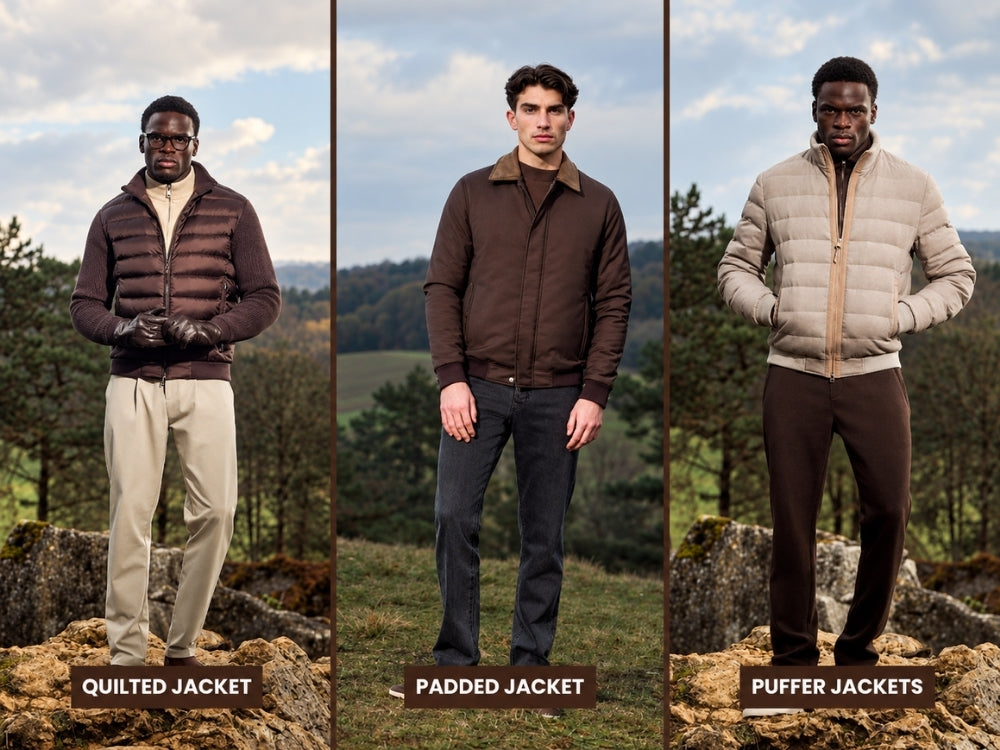
A bodywarmer. Few pieces suit the in-between months better. A well-cut bodywarmer keeps your core warm while leaving your arms free, which is exactly what changeable weather and a daily cycle commute demand. Browse the current range of men's bodywarmers and you will notice how naturally they sit over a shirt now and under a coat later.
Fine-gauge knitwear. Thin merino or cotton-blend jumpers are the single most versatile layer you can own in autumn. They work under a jacket, over a shirt, or on their own, and they take up far less space than chunky winter knits. A small rotation of crewnecks and half zips from a quality men's knitwear collection will do more for your daily outfits than any other purchase this season.
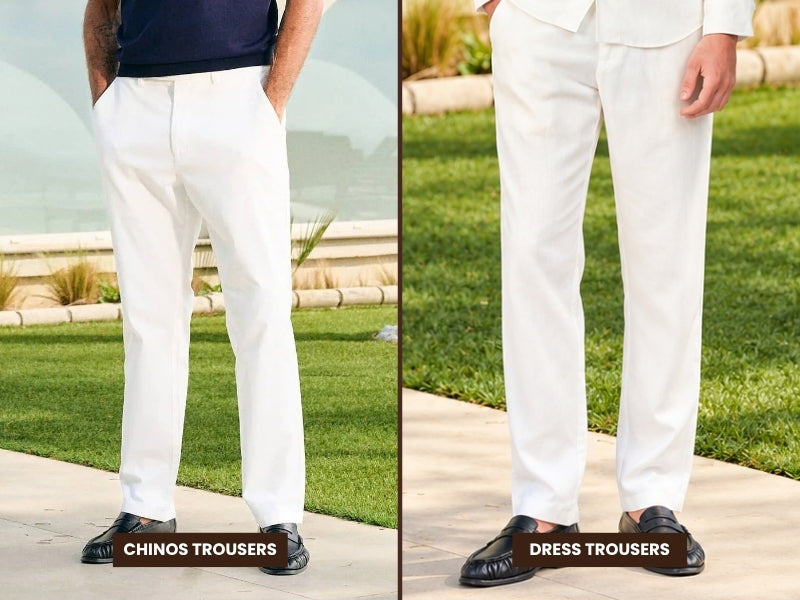
Heavier trousers. Swap lightweight summer cotton for denser chinos, denim or wool-blend trousers. The cut can stay the same; the fabric weight is what changes how an outfit feels from October onwards.
Weather-ready footwear. Suede trainers and loafers struggle once the rain sets in. Leather boots or treated suede with a proper sole handle wet pavements and still look considered.
Autumn Layering Men Should Get Right
Autumn layering for men works on a simple three-layer system: a base layer against the skin, a mid layer for warmth, and an outer layer for wind and rain. The skill is not in owning more clothes but in combining the ones you have so each layer can come off or go on as the day changes.
The base layer is a t-shirt or shirt in cotton or merino. Keep it fitted enough that layers sit cleanly over it. The mid layer is where your knitwear, overshirts and bodywarmers live, and it is the layer you will adjust most often. The outer layer is your jacket, and in a wet, windy climate it earns its keep more than anywhere else. If you are weighing up what that outer layer should be as temperatures drop further, our guide to choosing a men's winter jacket for Dutch weather breaks down the decision in detail.
Two rules keep layering from going wrong. First, each layer should be thinner than the one over it, so nothing bunches at the shoulders or sleeves. Second, keep strong colours and patterns to one layer at most. A navy knit, a grey overshirt and dark trousers will always read as deliberate; three competing statements rarely do.
Temperature is the other variable worth planning around. As a rough guide, two layers handle 12 to 16 degrees, three layers handle 6 to 12, and anything colder calls for a proper winter coat over the full system. Checking the forecast before you dress sounds obvious, yet it is the difference between carrying a jacket all day and actually wearing it.
How to Build a Transitional Wardrobe Men Can Rely On
A transitional wardrobe for men is a small set of pieces chosen so that almost everything combines with almost everything else. The goal is not quantity but overlap: when every jacket works with every trouser, a modest wardrobe produces dozens of outfits.
Colour is the foundation. Build the core around navy, grey, olive, camel and off-white, then add one or two accent shades you genuinely wear. Neutral cores are not about playing safe; they are about making sure the knit you grab at 7am works with whatever trousers are clean.
Fabric comes next. Autumn rewards natural fibres that breathe and insulate at the same time. Merino regulates temperature across a wide range, cotton twill holds its shape in damp air, and wool blends shrug off light rain far better than most synthetics. Pieces built from these fabrics stay in rotation from September to April, which quietly transforms their cost per wear.
Finally, buy for the season you are entering, not the one you are leaving. Early autumn sales are full of discounted summer stock, but a fourth linen shirt will sit in storage for six months. The smarter spend is on the mid layers and outerwear you will wear four days a week from now until spring.
Caring for Summer Pieces Before You Store Them
Summer clothes should be stored clean, dry and folded, because stains and moisture set permanently over months in a wardrobe or box. Wash everything before it goes away, even pieces that look clean, since invisible sweat and sunscreen residue yellow over time and attract moths.
Fold knits and linen rather than hanging them, as long-term hanging stretches shoulders out of shape. Use breathable cotton storage bags instead of sealed plastic, which traps humidity. A few cedar blocks deal with moths without leaving the chemical smell that mothballs do. Come spring, everything comes out ready to wear rather than ready for the dry cleaner.
Your Transition Checklist
The full summer to winter transition comes down to six steps you can finish in a single weekend:
- Sort everything into summer, winter and transitional piles
- Clean and store the pure summer pieces properly
- Move knitwear, overshirts and bodywarmers to the front of the wardrobe
- Check your outer layers still fit well and handle rain
- Fill genuine gaps in the mid layer first, outerwear second
- Swap summer footwear for boots or weatherproof alternatives
Handled this way, the change of season stops being a scramble and becomes a reset. Your wardrobe gets smaller, your mornings get faster, and every piece you reach for actually suits the weather outside. That is the real value of getting the transition right: not more clothes, but better use of the ones worth owning.