Qu’est-ce qu’un windbreaker ? Tout ce que vous devez savoir
Quand le vent se lève, que la température baisse ou que les saisons se chevauchent, une pièce d’Outerwear fait discrètement mieux son travail que presque toutes les autres, le coupe-vent. Léger, polyvalent et pensé pour une météo imprévisible, il s’est imposé comme un essentiel du vestiaire masculin pour les hommes qui recherchent à la fois fonctionnalité et style.
Mais qu’est-ce qu’un coupe-vent exactement, d’où vient-il et quand faut-il vraiment le porter ? Ce guide rassemble l’essentiel à connaître sur cette veste iconique, ses origines, ses matières, ses usages et la manière de choisir le modèle adapté à votre mode de vie.
Qu’est-ce qu’un coupe-vent ?
Un coupe-vent est une veste fine et légère, conçue avant tout pour protéger du refroidissement lié au vent et de la pluie légère. Contrairement aux manteaux d’hiver épais ou aux parkas isolantes, il privilégie la résistance au vent et la respirabilité plutôt que la chaleur. Son rôle est simple, créer une barrière entre votre corps et les éléments, sans vous alourdir.
La plupart des coupe-vent présentent une enveloppe extérieure résistante au vent, une coupe sportive décontractée, des poignets et un ourlet élastiqués, une fermeture zippée ou une construction à enfiler, souvent complétée par une capuche pour plus de protection. Ils sont généralement confectionnés dans des tissus synthétiques au tissage serré, comme le nylon ou le polyester, tandis que les versions premium utilisent du daim, des mélanges de coton ou des matières techniques pour une allure plus raffinée.
Signification et origine du coupe-vent
La signification du coupe-vent tient à sa fonction, il coupe littéralement le vent. La veste apparaît dans les années 1950 et 1960 comme une couche pratique pour les athlètes, les randonneurs et les travailleurs en extérieur qui avaient besoin de protection sans volume. Au fil des décennies, elle a quitté le registre purement sportif pour devenir un pilier du vestiaire, porté aussi bien par les adeptes de streetwear que par les professionnels hors service.
Aujourd’hui, le coupe-vent trouve naturellement sa place entre Activewear et Outerwear décontracté, une pièce que vous enfilez pour une course matinale, une promenade le week-end ou une sortie smart-casual en ville.
Coupe-vent vs autres vestes
Il est facile de confondre un coupe-vent avec d’autres couches extérieures proches. Voici comment il se distingue :
- Coupe-vent vs imperméable : Les coupe-vent protègent du vent et d’une bruine légère. Les imperméables sont entièrement waterproof pour les fortes pluies.
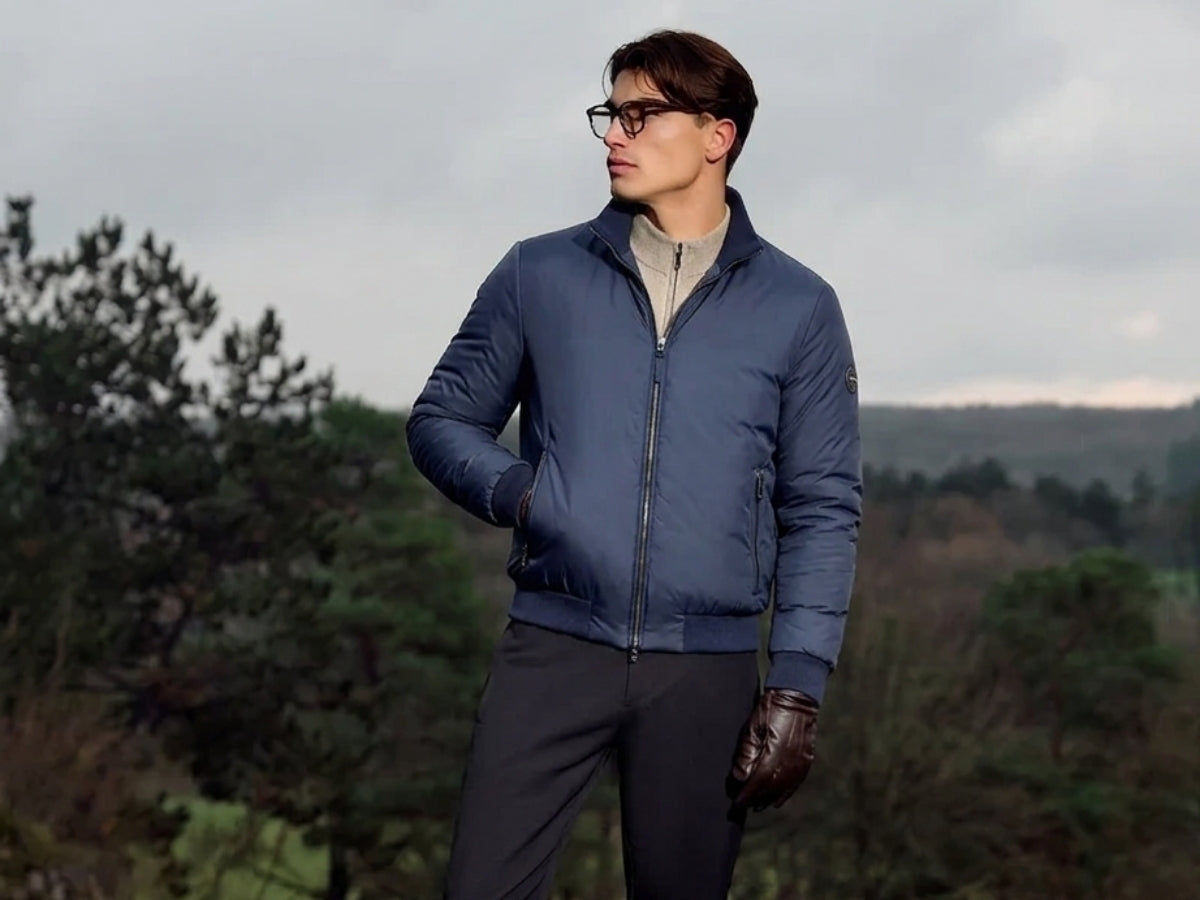
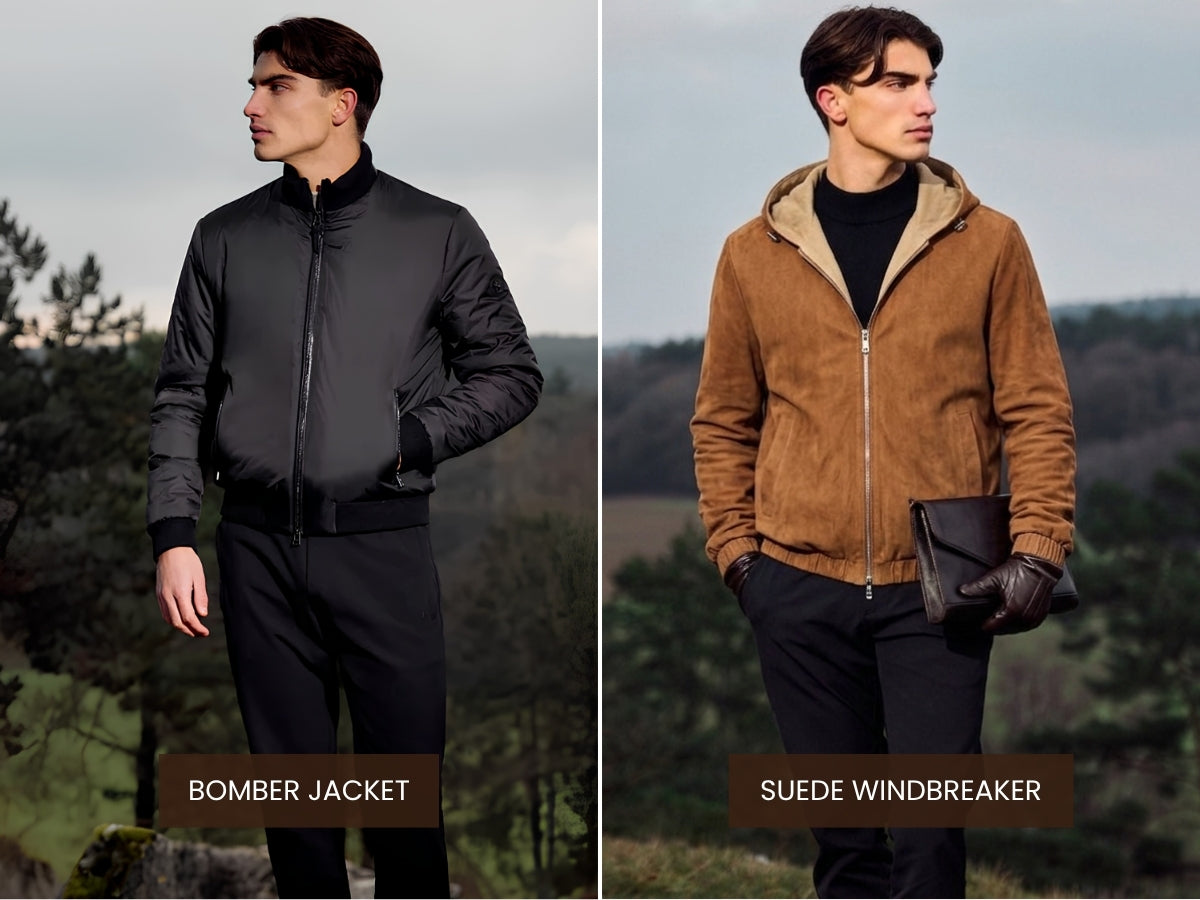
- Coupe-vent vs Bomber Jacket : Les Bombers sont plus volumineux, souvent isolants et plus structurés. Les coupe-vent sont plus légers et plus souples.
- Coupe-vent vs softshell : Les softshells offrent plus de chaleur et d’élasticité, mais se rangent moins facilement. Les coupe-vent se plient en format compact pour le voyage.
- Coupe-vent vs Hoodie : Un Hoodie retient la chaleur, un coupe-vent bloque le vent. Beaucoup d’hommes superposent les deux.
Si vous souhaitez une vision plus complète des catégories d’Outerwear, notre guide des vestes pour homme couvre les styles majeurs et les moments où les porter.
Usages du coupe-vent : quand et où le porter
La force du coupe-vent tient à sa polyvalence. Voici les usages du coupe-vent auxquels les hommes font confiance saison après saison :
1. Layering de printemps et d’automne Entre les saisons, les températures varient sans prévenir. Le coupe-vent est la couche mid-weight idéale sur un T-shirt, un Hoodie ou une maille, lorsque les matinées sont fraîches et les après-midi plus douces.
2. Activités en plein air Des courses matinales aux randonnées du week-end, en passant par le vélo et le golf, les coupe-vent sont conçus pour accompagner le mouvement. Leur construction légère vous garde au frais tout en vous protégeant des rafales qui pourraient autrement entamer votre énergie.
3. Voyage Un bon coupe-vent se plie jusqu’à devenir presque imperceptible, ce qui le rend idéal en voyage. Glissé dans votre sac, il vous prépare aux changements soudains de météo, quelle que soit la ville.
4. Tenue smart-casual au quotidien Les coupe-vent modernes, surtout les versions premium en daim ou en tissus raffinés, fonctionnent comme un Outerwear smart-casual. Associez-le à des Chinos, un jean ou même un pantalon Tailored pour une allure soignée mais détendue.
5. Protection contre la pluie légère Sans être entièrement imperméables, la plupart des coupe-vent supportent la bruine et les averses légères sans difficulté, ce qui en fait une veste fiable au quotidien lorsque la météo est changeante.
Matières utilisées pour les coupe-vent
Tous les coupe-vent ne se valent pas. Le tissu définit la performance, la respirabilité et le style général de la veste :
- Nylon : Léger, durable et à séchage rapide, c’est le choix le plus courant pour les coupe-vent sportifs.
- Polyester : Abordable, résistant au vent et facile d’entretien.
- Daim : Une option premium qui fait entrer le coupe-vent dans un registre smart-casual. Souple, texturé et raffiné.
- Mélanges de coton : Plus respirants et élégants, bien que moins résistants au vent.
- Tissus techniques : Des mélanges modernes qui offrent stretch, résistance à l’eau et facilité de rangement.
Pour les hommes qui recherchent un coupe-vent allant au-delà d’un usage sportif basique, une pièce comme le Pirloni Daim Windbreaker associe la protection pratique d’un coupe-vent classique à la texture raffinée d’un daim premium, parfait aussi bien en ville que pour les escapades du week-end.
Comment choisir le bon coupe-vent
Le choix du bon coupe-vent dépend de votre mode de vie et de la manière dont vous le porterez :
- Pour l’entraînement et la course : Recherchez un nylon léger avec panneaux de ventilation et détails réfléchissants.
- Pour le voyage : Choisissez un modèle packable avec poches zippées et capuche.
- Pour le style quotidien : Optez pour des matières premium comme le daim ou les mélanges de coton, dans des tons neutres (noir, navy, olive, camel).
- Par temps humide : Privilégiez des tissus résistants à l’eau ou traités DWR.
- Fit : Un coupe-vent doit se poser confortablement sur un T-shirt ou une couche légère, ni trop près du corps, ni trop ample. L’ourlet doit tomber juste sous la ceinture.
Comment styliser un coupe-vent
Le coupe-vent est l’une des vestes les plus faciles à porter, car il relie sans effort le casual et le smart-casual :
- Look streetwear : Coupe-vent + Hoodie + Joggers + sneakers
- Smart-casual : Coupe-vent en daim + T-shirt col rond + Chinos slim + sneakers en cuir épurées
- Active : Coupe-vent + tee technique + Shorts d’entraînement ou pantalon de survêtement
- Travel ready : Coupe-vent + henley + Denim foncé + Chelsea boots
Restez sur une palette de couleurs neutres si vous recherchez une polyvalence maximale, ou explorez des tons plus affirmés pour une couche qui signe la silhouette.
Entretenir votre coupe-vent
Un coupe-vent est un investissement durable lorsqu’il est entretenu correctement. La plupart des coupe-vent synthétiques peuvent être lavés en machine sur cycle délicat, puis séchés à l’air libre. Les coupe-vent en daim ou en tissu premium doivent être brossés régulièrement, tenus à l’écart d’une humidité prolongée et traités avec un spray protecteur pour daim afin de préserver leur texture et leur couleur.
Verdict final
Le coupe-vent est l’une des pièces les plus pratiques, élégantes et sous-estimées du vestiaire masculin moderne. Il bloque le vent, supporte la pluie légère, se prête parfaitement au layering et fonctionne aussi bien pour une course matinale que pour un café le week-end. Le bon coupe-vent relie sport et style, avec une veste prête pour presque toutes les occasions.
Que vous recherchiez une enveloppe légère d’inspiration sportive ou une pièce raffinée en daim pour le quotidien, le coupe-vent mérite sa place parmi les essentiels du vestiaire. Chez Pirloni, nous concevons des coupe-vent pensés pour associer style intemporel et fonctionnalité quotidienne, pour l’homme moderne qui accorde autant d’importance au confort qu’au savoir-faire.
FAQ's
Is a windbreaker waterproof?
What's the difference between a windbreaker and a rain jacket?
When should you wear a windbreaker?
Are windbreakers still in style?
Can you wear a windbreaker in winter?
Dernière mise à jour: